How to Turn Your Hobby into a Business

Have you ever found yourself completely lost in a hobby, hours melting away as you create, build, or explore? That feeling of flow, where time seems to stand still, is a powerful indicator of something you deeply enjoy.
But what if that source of joy and fulfillment could also be a source of income and independence? It’s not a far-fetched dream, it’s the reality for many who’ve taken the leap to turn your hobby into a business.
Turning a beloved pastime into a successful venture can be incredibly rewarding. Not only do you get to do what you love, but you also gain control over your time and potentially build a sustainable future. But where do you begin? Let’s walk through the steps to transform your hobby into a profitable business.
Related: 10 Surprising Benefits of Having a Hobby
How to Turn Your Hobby into a Business
Learn how to turn your hobby into a thriving business. From market research to sales, discover key steps to monetize your passion and build a fulfilling venture.
Table of Contents
1. Identify Your Passion and Validate Your Idea
Before anything else, it’s crucial to be honest with yourself. Is your hobby truly something you’re passionate about, and are you willing to invest the time and effort it takes to make it a business? Not every hobby translates into a viable business, so a thorough self-assessment is necessary. Ask yourself:
- Do I truly love this? It needs to be more than just a fleeting interest.
- Is there a demand for this? Will people actually pay for what I create or offer?
- Am I good enough? Be honest about your skill level. You don’t need to be an expert, but you need to be proficient.
- Can I scale this? Can you produce enough to meet potential demand?
- Am I willing to learn new skills? Running a business requires a different skill set than enjoying a hobby.
Once you’ve answered those tough questions, it’s time to validate your idea. Do some market research:
- Talk to potential customers: Ask friends, family, or people in your community if they’d be interested in your product or service.
- Check online marketplaces: See if similar products or services are already being sold, and how well they are doing.
- Explore social media: See what people are discussing in forums related to your hobby.
- Look at your competition: Understand who your main competitors are, their pricing, and what they offer.
This process will tell you if there’s an audience for what you do, and help you refine your offering to make it more competitive.
2. Define Your Target Market and Niche
Who is your ideal customer? Understanding your target market is crucial for effective marketing and sales. Consider factors such as:
- Demographics: Age, gender, income level, location
- Psychographics: Interests, values, lifestyle
- Needs and pain points: What problems can your product or service solve?
Once you understand your target market, you can define your niche. This involves focusing on a specific segment of your potential market. A niche helps you:
- Stand out from the competition.
- Attract a more targeted audience.
- Position yourself as an expert.
For instance, if your hobby is painting, your niche could be creating custom pet portraits, or unique abstract wall art for modern homes, or even offering art classes for kids. The more defined your niche, the easier it becomes to connect with your target audience.
3. Develop a Solid Business Plan
A business plan is your roadmap to success. It outlines your goals, strategies, and how you will achieve them. Here are the key elements of a business plan:
- Executive Summary: A brief overview of your business.
- Company Description: Details about your business, its mission, and vision.
- Market Analysis: Research about your target market and competition.
- Products or Services: Detailed description of what you will offer.
- Marketing and Sales Strategy: How you will attract and retain customers.
- Management Team: Information about the people involved in your business.
- Financial Projections: Estimates of revenue, expenses, and profitability.
- Funding Request (If Applicable): How much funding do you require and how do you plan to use it?
You don’t need a formal, 100-page business plan at first, but having a solid framework will provide clarity, help you stay focused, and make informed decisions as your business grows.
Example: The Ultimate Gift Shop Business Plan Template (Free PDF)
4. Legalize Your Business
Once your business plan is in place, it’s time to address the legal aspects. These vary depending on your country and region, so research the requirements. Consider:
- Choosing a business structure: Sole proprietorship, partnership, limited liability company (LLC), etc.
- Registering your business name: Make sure your name isn’t already in use and file the necessary paperwork.
- Obtaining required licenses and permits: This could include business licenses, permits related to your specific industry, or sales tax permits.
- Opening a business bank account: Keep your personal and business finances separate.
Taking care of the legal framework early on will provide you with peace of mind and allow you to focus on building your business.
5. Price Your Products or Services Strategically
Pricing is crucial for both profitability and competitiveness. Consider these factors:
- Costs: Calculate all expenses involved in creating your product or offering your service (materials, labor, overheads).
- Value: What is the perceived value of what you are offering?
- Market rates: Research how much your competitors are charging for similar items or services.
- Profit margin: Determine how much profit you want to make after covering your costs.
Don’t underprice yourself, as this can cheapen your brand and make it hard to sustain your business. Similarly, don’t overprice yourself as it can deter potential customers. Experiment with different pricing strategies until you find one that balances profitability and competitiveness.
6. Brand Your Business
Your brand is how people recognize you. It encompasses your name, logo, website, voice, and the overall experience you provide to your customers. A strong brand identity:
- Creates a professional image.
- Helps you stand out.
- Builds trust with customers.
- Fosters a loyal following.
Invest in high-quality images, craft compelling descriptions, and use a consistent tone of voice across all your marketing platforms. Your brand should reflect your values, your personality, and the quality of your products or services.
7. Create an Online Presence
In today’s digital age, having an online presence is crucial. Here are some things to consider:
- Create a professional website or online store: Use a platform like WordPress, Shopify, or Etsy.
- Set up social media accounts: Engage with your target audience on platforms like Instagram, Facebook, and Pinterest.
- Use search engine optimization (SEO): Optimize your website to rank higher in search engine results.
- Consider email marketing: Collect emails from interested users and share updates and promotions.
Your online presence allows you to reach a wider audience, establish your brand credibility, and provide a seamless shopping experience for your customers.
8. Master Marketing and Sales
Having an amazing product or service is not enough. You need to know how to effectively reach your target audience and convince them to buy. Here are some essential marketing strategies:
- Content Marketing: Create valuable blog posts, videos, and social media content.
- Social Media Marketing: Engage with your followers and share your brand’s story.
- Email Marketing: Send targeted emails to subscribers promoting your products or services.
- Influencer Marketing: Collaborate with influencers in your niche.
- Paid Advertising: Use platforms like Google Ads and social media ads to reach your audience.
- Participate in local events: Attend craft fairs, markets, or workshops to showcase your products.
Remember to track your marketing efforts to understand what works and what doesn’t.
9. Build a Strong Customer Base
A loyal customer base is the backbone of a successful business. Here are some ways to build customer relationships:
- Provide exceptional customer service: Respond promptly to queries and go the extra mile to satisfy your customers.
- Encourage customer feedback: Ask for reviews and use the feedback to improve your products or services.
- Create a loyalty program: Reward repeat customers with discounts, exclusive offers, or special perks.
- Build a sense of community: Foster a connection between your brand and your customers.
- Address concerns immediately: Take customer concerns seriously and resolve issues quickly and efficiently.
Remember, word-of-mouth is a powerful marketing tool. Happy customers will not only return, they’ll also tell their friends about your business.
10. Embrace Continuous Learning
The business world is dynamic, and what works today might not work tomorrow. Continuous learning is crucial for growth and sustainability. Commit to:
- Staying updated on industry trends: Be aware of what is happening in your industry and adapt your business to changes.
- Learning new skills: Consider taking business, marketing, or finance courses.
- Seeking mentorship: Learn from experienced business owners.
- Analyzing your business metrics: Regularly analyze your sales, expenses, and customer feedback to make improvements.
The more you learn, the better equipped you will be to tackle the challenges and opportunities that come your way.
Hobby Business Ideas
Now that we’ve covered the core steps for turning your hobby into a business, let’s get those creative juices flowing with some specific hobby business ideas. These examples will demonstrate how a variety of passions can be monetized successfully. Remember, the best business for you is one that combines your passions with a market need.
Creative Hobbies
Art & Illustration
- Custom Portraits: Offer hand-painted or digital portraits of people, pets, or homes.
- Wall Art & Prints: Create original art pieces and sell prints online or at local markets.
- Greeting Cards & Stationery: Design and sell unique cards and stationery sets.
- Illustrations for Books or Websites: Offer your illustration services to authors or businesses.
Crafts & DIY
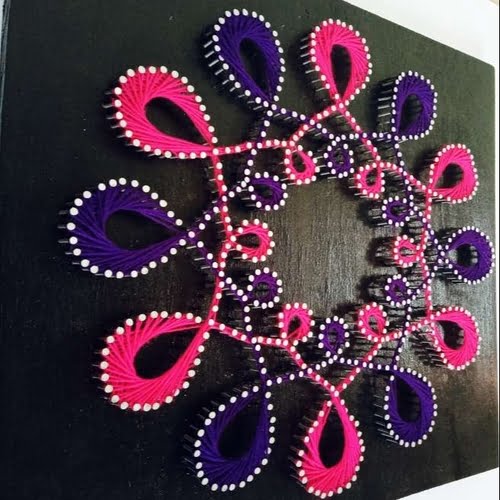
- Handmade Jewelry: Design and create unique necklaces, bracelets, and earrings.
- Knitted or Crocheted Items: Sell scarves, hats, blankets, or custom-made clothing.
- Personalized Home Décor: Create customized items like cushions, wall hangings, or coasters.
- Soap & Candle Making: Craft natural, scented soaps and candles and sell them at markets or online.
- Custom Woodworking: Design and create unique furniture, toys, or decorative pieces.


Photography & Videography
- Portrait Photography: Offer photoshoots for families, couples, or individuals.
- Event Photography: Capture weddings, birthdays, or corporate events.
- Stock Photography/Videography: Sell your photos or videos on stock image websites.
- Video Editing Services: Offer your skills to create promotional or documentary videos.
Writing & Content Creation
- Blogging & Content Writing: Start a blog in your niche or write content for other businesses.
- Copywriting: Create marketing materials for various companies.
- Editing & Proofreading: Offer your services to authors or businesses.
- Ghostwriting: Write books or articles for clients who want to publish but can’t write themselves.
Music & Performing Arts
- Music Lessons: Offer private or group lessons for your instrument or voice.
- Performance Art: Perform at events, weddings, or parties.
- Original Music: Create and sell your own songs or albums online.
Active & Outdoor Hobbies
Fitness & Wellness
- Personal Training: Offer fitness coaching to individuals or groups.
- Yoga or Pilates Instruction: Teach classes in person or online.
- Outdoor Adventure Guiding: Lead hiking, biking, or kayaking tours.
- Nutrition Coaching: Offer guidance on healthy eating and lifestyle.
Gardening & Horticulture
- Plant Sales: Grow and sell unique or heirloom plants.
- Gardening Services: Offer landscaping or gardening advice.
- Floristry: Create custom floral arrangements for weddings or events.
- Herbal Products: Make and sell herbal teas, tinctures, or skincare products.
Sports & Recreation
- Sports Coaching: Offer coaching in your sport of expertise.
- Guided Tours: Lead tours focused on adventure or outdoor activities.
- Equipment Repair: Fix and maintain specialized equipment for sports.
Intellectual & Collecting Hobbies
Gaming
- Game Streaming: Share your gameplay and build a community online.
- Game Development: Create your own games and sell them online.
- Gaming Coaching: Offer your expertise to other gamers.
- Collectible Sales: Buy and sell rare or valuable games or gaming memorabilia.
Reading & Book Collecting
- Book Reviews: Create reviews of books for blogs or publications.
- Used Book Sales: Buy and sell used books online or in a physical space.
- Book Club Facilitation: Organize and run book clubs for a fee.
Collecting
- Collectible Sales: Buy and sell collectibles such as vintage items, antiques or unique items.
- Appraisal Services: Offer your expertise to appraise collectibles.
Cooking & Baking
- Catering Services: Offer catering for small events or gatherings.
- Baking & Confectionery: Create and sell cakes, pastries, or candies.
- Cooking Classes: Offer in-person or online cooking lessons.
- Meal Preparation Services: Prepare healthy meals for busy people.
Fashion & Style
- Personal Styling: Offer advice on clothing and styling.
- Custom Clothing Design: Create and sell unique clothing designs.
- Upcycled Fashion: Re-design and sell used clothing.
Technology
- Web Design & Development: Create websites for small businesses or individuals.
- Tech Support: Offer technical support to people in your area or online.
- App Development: Create and sell unique mobile or web apps.
Your Turn!
Are you ready to turn your hobby into a business? What steps are you planning to take? What challenges do you anticipate? Share your thoughts and experiences in the comments below! Let’s support and inspire each other on this exciting journey.