25 Exciting and Fun DIY Activities for Kids at Home
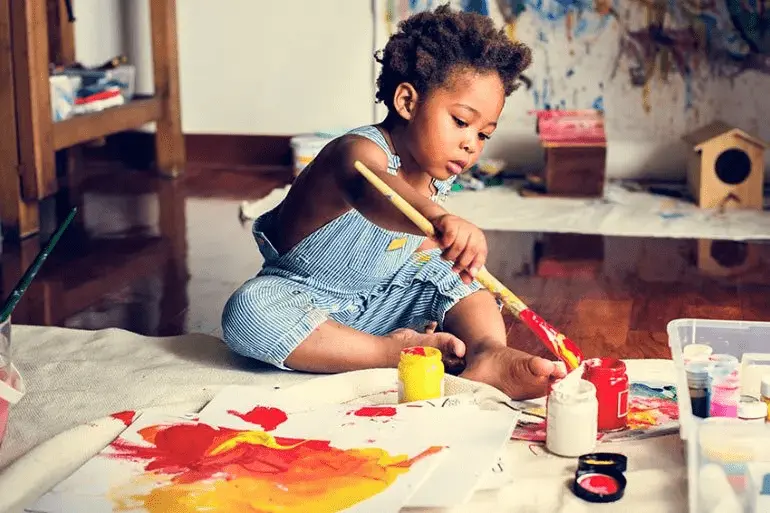
Are you looking for exciting ways to keep your kids entertained at home? Look no further! We’ve compiled a list of 25 fun and easy DIY activities for kids at home that will spark creativity, encourage learning, and provide hours of entertainment.
Whether you’re dealing with a rainy day, school break, or just want to spend quality time together, these activities are sure to be a hit with children of all ages.
What are the Benefits of DIY Activities for Kids
Before we dive into our list, let’s talk about why DIY activities are so beneficial for kids:
- Develops creativity and problem-solving skills
- Enhances fine motor skills
- Boosts confidence through accomplishment
- Provides screen-free entertainment
- Creates opportunities for family bonding
Table of Contents
Fun DIY Activities for Kids at Home
Discover 25 fun and engaging DIY activities for kids at home! From easy crafts to educational projects, keep your children entertained and learning. Perfect for rainy days and family bonding!
1. Create a Cardboard Castle

Transform cardboard boxes into a magical fortress. Cut out windows, doors, and turrets. Let kids decorate with paint, markers, or stick-on decorations. Add a drawbridge using string and cardboard. This activity encourages creativity and imaginative play.
Materials needed:
- Cardboard boxes
- Scissors
- Tape or glue
- Paint or markers
Pro tip: Add battery-operated LED lights for an enchanting touch!
2. Make Homemade Playdough
This classic activity never gets old. Create your own playdough in vibrant colors for hours of sculpting fun.
Recipe:
- 2 cups flour
- 1 cup salt
- 2 tbsp oil
- 1.5 cups boiling water
- Food coloring
Mix flour, salt, oil, and boiling water to create a pliable dough. Add food coloring for vibrant hues. This sensory activity helps develop fine motor skills and creativity. Kids can shape animals, letters, or imaginary creatures.
3. Design a Marble Run
Use cardboard tubes from paper towels or toilet paper rolls to create an exciting marble run. Tape tubes to a wall or large cardboard backdrop, creating slopes and turns. This educational DIY project teaches basic physics concepts like gravity and momentum while being incredibly fun.
4. Paint Rock Pets
Collect smooth rocks from the outdoors. Clean and dry them, then paint with acrylic paints to create animal characters. Add googly eyes for extra charm. This combines nature exploration with artistic expression.
5. Build a Fort
Use blankets, sheets, pillows, and furniture to construct a cozy indoor fort. Clothespins can help secure blankets. This encourages problem-solving and provides a cozy space perfect for reading, playing, or even as a “movie theater” for family film nights.
6. Create Nature Suncatchers
Collect leaves, petals, flowers, and other natural items to make beautiful suncatchers. Arrange them between two pieces of clear contact paper and cut into shapes. Hang them in windows for a colorful display. This activity connects kids with nature and creates beautiful decorations.
7. Make a Time Capsule
Decorate a box or container. Fill it with current photos, drawings, newspaper clippings, and written predictions about the future. Decide on a future date to open it. This preserves memories and encourages reflection.
8. Design and Fly Paper Airplanes
Fold different paper airplane designs and test which flies farthest or stays aloft longest. This introduces basic aerodynamics and encourages experimentation.
9. Create a Sensory Bin
Fill a large container with materials like rice, dried beans, or sand. Hide small toys or objects for kids to find. This tactile activity is great for sensory exploration, especially for younger children.
10. Make Homemade Ice Cream
No machine is needed! Mix cream, sugar, and flavoring in a small sealed bag. Place this bag inside a larger bag filled with ice and salt. Shake vigorously. The chemical reaction creates ice cream. This tasty science experiment is perfect for hot days and teaches about phase changes.
11. Design a Board Game
Encourage kids to invent their own board game. They can draw the board, create cards with instructions, and use small objects as game pieces. This fosters creativity and teaches game design principles.
12. Create a Family Recipe Book
Compile favorite family recipes. Let kids illustrate each dish or take photos of the cooking process. This preserves family traditions and introduces basic cooking concepts.
13. Build a Lego City
Challenge kids to design an entire city using Legos or similar building blocks. Encourage them to include different zones like residential, commercial, and green spaces. This teaches urban planning concepts.
14. Make DIY Slime
A perennial favorite among kids, homemade slime is a fun sensory activity that also teaches about chemical reactions. Mix glue, borax solution, and food coloring to create stretchy slime.
15. Create a Stop-Motion Movie
Use a smartphone and small toys or clay figures. Move objects slightly between each photo to create an animation. This combines storytelling with technology skills.
16. Design Puppet Characters
Make puppets using old socks, paper bags, or popsicle sticks. Decorate with fabric, buttons, or markers. Encourage kids to put on a puppet show, fostering storytelling and performance skills.

17. Plant an Indoor Herb Garden
Use small pots or recycled containers to plant herb seeds. Teach kids about plant care, watering, and sunlight needs. This introduces gardening and where food comes from. Bonus: fresh herbs for cooking!
18. Make a Family Tree
Research family history and create a decorative family tree. Use photos or drawings to represent family members. This combines genealogy with art.
19. Create a Scavenger Hunt
Design a series of clues leading to a small prize. Hide clues around the house or yard. This encourages problem-solving and reading comprehension.
20. Build a Bird Feeder
Use recycled materials like milk cartons or plastic bottles to create a simple bird feeder. Hang outside and observe visiting birds. This teaches about local wildlife and recycling.
21. Make Homemade Instruments
Create instruments using household items. Examples include rice shakers (sealed containers with rice inside), rubber band guitars (rubber bands stretched over a box), or pan flutes (straws cut to different lengths). Then have a family jam session! This introduces music concepts.
22. Design a Comic Book
Encourage kids to create their own comic strip or book. They can draw panels and add dialogue bubbles. This combines storytelling with visual art skills.
23. Create a Miniature Garden
Use a shallow container to create a small-scale garden. Add tiny plants, pebble paths, and small figurines. This combines gardening with imaginative play.
24. Make Friendship Bracelets
Teach basic bracelet-making techniques using embroidery floss. Start with simple patterns and progress to more complex designs. This develops fine motor skills and patience.
25. Design and Conduct Science Experiments
Turn your kitchen into a lab with simple science experiments. Set up simple experiments like making a baking soda volcano, growing crystals, or testing which objects float or sink. Educational and exciting!
How to Entertain Kids at Home?
Entertaining kids at home involves a diverse mix of activities balancing education and fun. Incorporate science experiments, cooking, art, and physical activities like indoor obstacle courses or dance parties.
Stimulate imagination through storytelling, puppet shows, and dress-up games. Use household items for DIY crafts and fort-building. Introduce board games and puzzles for strategic thinking. Create quiet zones for reading or listening to audiobooks.
Turn household chores into games. Use technology selectively for educational purposes. Balance structured activities with free play time.
Most importantly, participate in activities with your children to enhance enjoyment and strengthen bonds. Stay flexible and adapt to their changing interests to maintain an engaging home environment.
Tips for Successful DIY Activities for Kids
- Prepare materials in advance to maintain interest and momentum.
- Adjust activities to suit your child’s age and abilities.
- Embrace the mess – creativity can be chaotic!
- Encourage children to put their own spin on projects.
- Document the fun with photos or videos for lasting memories.
Safety First!
While these DIY activities for kids at home are generally safe, always supervise children, especially when using scissors, small objects, or kitchen appliances.
Conclusion: Endless Possibilities for Family Fun
These 25 DIY activities for kids at home are just the beginning. The key is to foster an environment where creativity and curiosity thrive.
By engaging in these projects together, you’re not just beating boredom – you’re creating lasting memories, teaching valuable skills, and strengthening family bonds.
Remember, the most important ingredient in any of these activities is your presence and encouragement. So put down your phone, roll up your sleeves, and get ready for some family fun. Who knows? You might discover a new favorite hobby or family tradition in the process!
Happy crafting, experimenting, and memory-making!