As a gift shop owner, one of the biggest make-or-break factors in your business’s success is the merchandise you choose to sell. Your product assortment plays a vital role in attracting customers, cultivating a distinctive brand identity, and ultimately driving sales and revenue.
However, in today’s increasingly crowded retail landscape, curating the perfect product mix isn’t as simple as it may seem. With countless options vying for limited shelf space, how do you narrow it down to offerings that will truly excite shoppers and move the bottom line?
From thoroughly understanding your niche and target audience to weighing profitability, identifying scalable vendors, and staying on-trend, there’s a lot to consider. This comprehensive guide will walk you through key strategies for selecting future best-sellers tailored to your gift shop’s brand.
Where do gift shops get their merchandise?
Gift shops fill their shelves from a variety of sources! They can buy in bulk from wholesale gift suppliers, partner with local artisans for handcrafted items, source unique imports, or even work directly with manufacturers for popular brands.
Best Selling Gift Shop Items
Struggling to decide which products to sell in a gift shop? Follow this comprehensive guide to curating a unique, profitable merchandise selection tailored to your niche.
Table of Contents
Evaluate These Crucial Factors First
Before diving into specific product categories and selections, it’s critical to anchor your merchandise strategy by evaluating these foundational factors:
1. Define Your Niche & Specialties
One of the fastest ways for a gift shop to get lost in the shuffle is attempting to be too broad or generalist with its product offerings. While diversification is important, your shop needs to home in on a cohesive niche or core specialties that make it distinctively memorable.
For example, you may decide to specialize in upscale barware and entertaining accessories for the modern host. Or perhaps your niche revolves around thoughtful self-care gifts for wellness-minded customers. It could center on curated gift boxes for different hobbies and interests.
By homing in on 2-3 defined product specialties that ladder up to an overarching brand vision, you can strategically curate best-in-class offerings in those focus areas. This niche positioning prevents your merchandise from feeling scattered or disjointed – a common pitfall for many gift shops.
2. Develop Specific Customer Profiles
Once you’ve outlined your shop’s niche specialties, invest ample time understanding the ideal customers you want to attract through those products. Go beyond basic demographic data like age and location to map out their:
Shopping motivations and habits
Personal interests and lifestyle priorities
Price sensitivities and budgets
Decision-making influences
The deeper you can profile your target buyers, the better equipped you’ll be to select merchandise that genuinely resonates with them on an emotional level.
Conduct surveys and focus groups, comb through reviews and social commentary, monitor your best and worst selling products – use any means possible to truly listen to your customers and let their needs guide your curation process.
3. Prioritize Profit Margins & Financials
While originality and buzz-worthy products are important, they ultimately need to be profitable for your business to sustain itself long-term. Before committing valuable cash and inventory space, carefully analyze the costs and potential margins for every product you’re considering.
As a general rule of thumb, most gift shops aim for at least keystone pricing on products, where the retail price is double the wholesale cost. This allows for healthy margins even after factoring in overhead expenses like rent, payroll, marketing, and more. Be wary of lower-priced impulse items with limited markup opportunity.
Additionally, calculate your projected sell-through rate and minimum advertised pricing (MAP) requirements from vendors, as those impact profitability on each SKU. Understanding your financial thresholds up-front allows you to make smart investments.
4. Identify Scalable & Reliable Vendors
What good is a best-selling product if you’re perpetually struggling with stockouts due to the vendor’s limited production capabilities? Particularly if you envision expanding your retail footprint someday, working with vendors who can reliably scale up inventory is critical.
Research each brand’s warehouse space, minimum order quantities, historic fill rates, and shipping logistics/lead times to assess their scalability. Can they keep pace with your long-term growth plans and restock top sellers promptly?
While maker partnerships are appealing for unique offerings, balance that with vendors large enough to fulfill substantial order volumes. Diversify your supply chain so you’re not over-reliant on any single distributor.
5. Source Locally and Seasonally When Possible
Oftentimes, the truly unique in-demand products can be sourced locally from smaller-batch purveyors and craftspeople in your geographic region. Shoppers have an affinity for distinctive goods with an authentic local connection versus mass-produced items they can find anywhere.
Scout out area artisan makers, indie food brands, apparel designers, and other creative entrepreneurs who can provide your shop with distinctive SKUs. In addition to year-round offerings, identify partners who can develop limited-edition seasonal merchandise around holidays and events.
Those types of seasonally exclusive items stoke shopper excitement and create a sense of urgency around visiting your store for a limited-time. But to capitalize, you’ll need to start your local product sourcing efforts 4-6 months in advance.
Top Products to Sell in a Gift Shop
With a solid strategic framework in place, it’s time to explore some of the most popular, top-selling product categories ideally suited for successful gift shops today:
1. Gift Sets, Baskets & Subscription Boxes
Bundled gift sets and pre-packaged themed baskets are quintessential gift shop fare that caters perfectly to the “one-stop shopping” mindset. These could include:
Care package gift boxes (e.g. new mom self-care, men’s grooming)
Indulgent gourmet food/snack gift baskets
Pampering bath/body/spa gift sets
Hobby or interest-themed gift boxes (e.g. golf enthusiast, book lover)
Seasonal or occasion-specific curated gift sets (host gifts, teacher appreciation, holidays)
The key is to assemble thoughtfully paired, beautifully packaged sets that provide convenience and inspiration for gift-givers. Offer a range of set sizes and price points too.
You can even evolve the concept into a gift subscription box service, where customers sign up to receive a curated box of your latest on-theme products shipped directly to their door each month or quarter.
2. Gourmet & Specialty Foods
Edible specialty foods make for universally appreciated gifts thanks to their consumable nature. They also introduce enticing sensory elements (sights, smells, tastes) into your merchandise assortment for an immersive shopping experience.
Lean into local purveyors and artisan brands offering unique sweet and savory specialties like:
Decadent chocolate confections or dessert samplers
Small-batch nut mixes, snacks or trail mixes
Gourmet popcorn, brittles or caramel treats
Locally produced honeys, jams, sauces or condiments
International snack boxes or region-specific foods
Cocktail kits, bitters or craft beverage samplers
Look for brands with strong gifting potential – beautiful packaging, unique flavor profiles, made-with-care brand stories, and buzzworthy qualities that make them stand out from grocery store fare.
3. Bath, Body & Home Fragrance Products
Relatively inexpensive yet luxurious, handcrafted bath and home fragrance products deliver an indulgent sensory experience perfect for gift shops. They can span self-care personal gifts or home-enhancing decor pieces.
Product options include small-batch soaps, body butters, sugar scrubs, bath bombs, scented candles, diffuser oils, room sprays, potpourri and more. You can work with brands to custom-blend exclusive signature fragrances too.
Top off the gift factor with opulent packaging, stunningly designed product vessels, and limited batch availability. Consider bundling scents into themed collections around moods, seasons, or fragrance families.
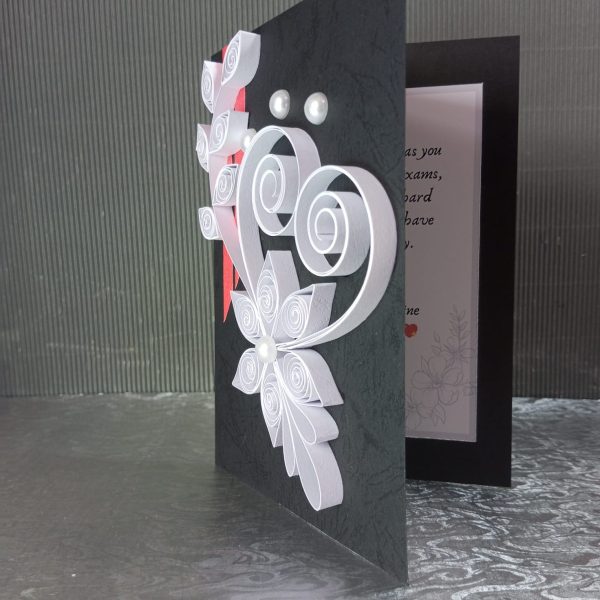
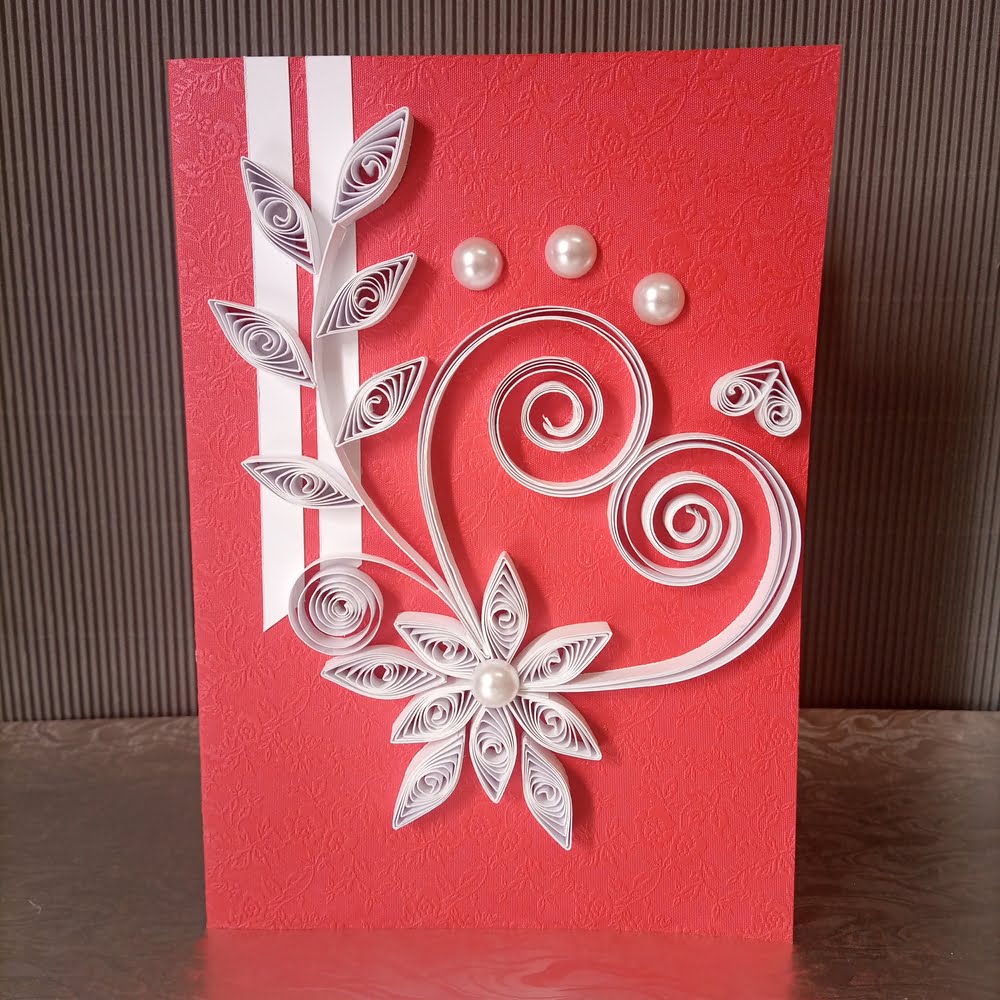
4. Greeting Cards & Stationery
With fewer brick-and-mortar paperies and stationery stores these days, gift shops fill a valuable niche by offering a well-curated paper goods section. Greeting cards in particular drive frequent repeat visits as shoppers need new options for every occasion.
Work with boutique greeting card makers producing stylish, clever, sometimes irreverent or witty designs – lines you won’t find at big-box stores. Augment with small-batch journals, unique wrapping paper, desk accessories, calligraphy supplies, customizable stationery and more. DIY kits like embossers, wax seals etc. can boost buy-up potential.
This category also welcomes easy rotating of inventory for seasonal and event-specific paper goods, like graduation cards in spring or holiday wrapping paper.
While gift shops can’t realistically stock large home furnishings, that doesn’t mean home accents are off-limits. Smaller decorative accessories provide gift-able items while letting customers “gift themselves” too.
Best-selling home decor pieces include coffee table books, wall art or hangings, sculptural objets d’art, decorative trays and bowls, tabletop accessories like candle holders or vases, throw pillows and blankets, and more.
The key is curating decorative items with unique artisan touches, interesting materials or textures, and compelling brand stories behind them. For example, you may offer ceramic vases hand-thrown by a local potter or woodcrafted serving bowls from a regional maker.
Don’t just default to mass-produced, generic home goods found everywhere. Lean into pieces with a distinctly artisanal, handcrafted aesthetic that conveys quality and intention in their creation.
Like other categories, it’s wise to build out seasonal and themed home decor collections guests will be excited to explore. For instance, spring and summer could feature breezy botanical prints and colors, while fall/winter may highlight richer hues, woodsy elements, and cozy textiles.
While apparel shouldn’t consume massive square footage for inventory, a neatly edited collection of gift-worthy fashion items can provide your shop with incremental revenue.
The merch possibilities span graphic tees, statement jewelry pieces, eye-catching handbags and clutches, cozy cold-weather accessories like hats and scarves, and more. Focus on unique artisan brands with strong gifting potential and giftable pricing around $25 to $75.
Merchandise the pieces styled into visually enticing outfits or accessory pairings to spark purchase inspiration. Apparel also provides an avenue for tapping into pop culture zeitgeist with timely graphic tees and merch.
Putting It All Together: Strategic Merchandising for Success
Once you’ve carefully selected your product assortment, it’s vital to implement strategic merchandising practices that highlight your offerings in compelling ways:
Cross-Merchandise for Add-On Sales
Don’t just isolate products into their respective categories on shelves. Instead, cross-merchandise complementary items together into smartly themed vignettes that inspire purchase ideas and increased basket rings.
For example, you could style a “Luxe Home Office” scene blending a decorative tray, elegant desk accessories like a catchall and notepad, and an artsy pen cup. Or create entire gifting fixtures with pre-bundled sets for easy grabbing.
The more you can evoke giftability by showing how products intermix, the better you’ll drive impulse and add-on purchases.
Update Merchandising Seasonally
Speaking of seasons, it’s vital to treat your shop’s merchandising with a rotating seasonal mentality rather than static product placement. Establish calendar cadences for comprehensively updating floor sets, vignettes, and focal displays.
Lean into evident visual cues and storytelling for each season or major holiday through colors, motifs, props and more. Don’t just shuffle in some new product – remix the entire environment to feel distinctly fresh.
Localize With Community Tie-Ins
Circle back to your local maker/brand partners by rotating featured maker spotlights and tie-ins on your sales floor and windows. Use this as an opportunity to share their story and build brand affinity.
You can host maker trunk shows, demo days or even donated pieces in your community giving program too. These hyperlocal elements uniquely differentiate your store while fostering maker relationships.
Leverage Digital Merchandising
With more shoppers discovering new brands online first, leverage digital merchandising on your e-comm site with shoppable Instagram integrations, engaging product videos and more.
These digital merchandising aids expose your giftable products to prospective customers wherever they’re exploring online. It also enhances the in-store experience via QR codes that unlock additional rich content.
Continuously Capture Data-Driven Insights
At the end of the day, your point-of-sale (POS) data is a goldmine for pinpointing which products, merchandising strategies, and promotions are truly moving the needle each season. Leverage that data to make smarter inventory investments.
Supplement POS insights with attentive customer service that captures preferences, pain points and requests in real-time too. The more you listen and analyze shopper behavior, the better you can refine and elevate your overall merchandise strategy.
Conclusion
From giftable food delicacies and luxe bath products, to decorator accents and artfully packaged gift sets spanning interests galore, the opportunities to curate a distinctive product assortment are endless for enterprising gift shop owners.
However, it takes careful planning and a robust process to get it right. By holistically evaluating factors like positioning, profit potential, vendor scalability and more upfront, you’ll make informed, strategic choices tailored for long-term success.
Ultimately, your merchandise mix should strike a balance between recognizable, high-demand product categories and unique, hard-to-find offerings customers can’t get elsewhere. It’s walking that tightrope between curation and commerce that creates a truly remarkable and compelling gift shop experience worth going out of the way for.
So define your vision, analyze your audience’s needs and wants, dare to differentiate through local makers and indie brands, and let your personal passion for gifting shine through every product choice. With the right merchandise strategy in place, your gift shop will develop a loyal customer following that keeps coming back again and again.